
Fresh water program
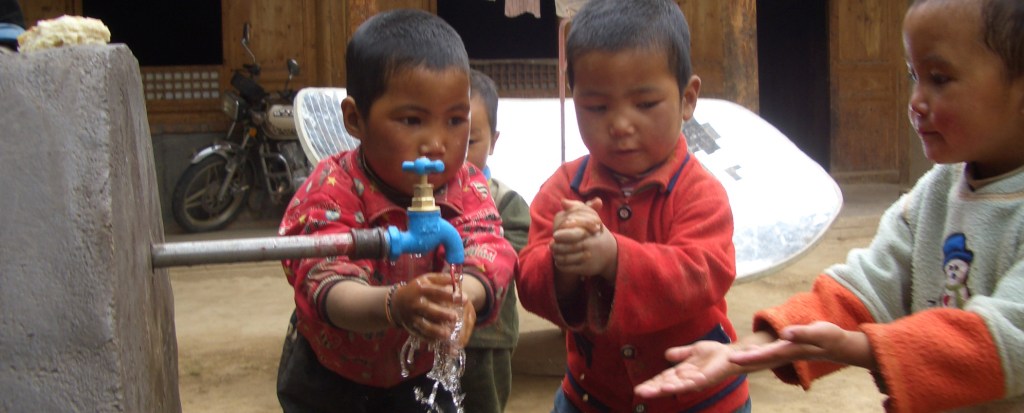
Many of the clusters of villages located in the rural areas of the Tibetan Plateau have existed for hundreds of years without a local (nearby) source of fresh water. The villagers fetch water from open rivers whose distance from a village ranges from one-half mile to over one mile. The often unsanitary water causes various diseases to both humans and animals in the valley. During the winter the villagers have to break the ice in order to get to the water underneath. This calls for children to remain at home rather than attend school and, in some cases, participate in carrying the water. As an integral aspect of its mission the TibetanAid Foundation has undertaken to develop with the indigenous community a works project designed to bring fresh water to the village.
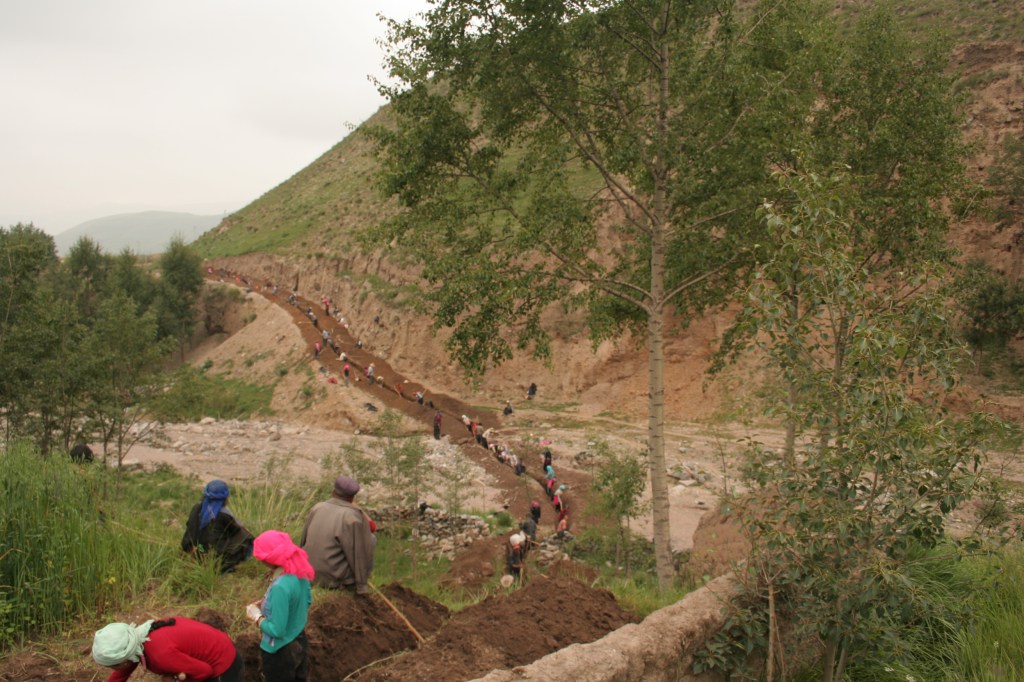
People dig a trench from a high-elevation mountain spring to Ango village
ChaZhu Valley Clinic Project
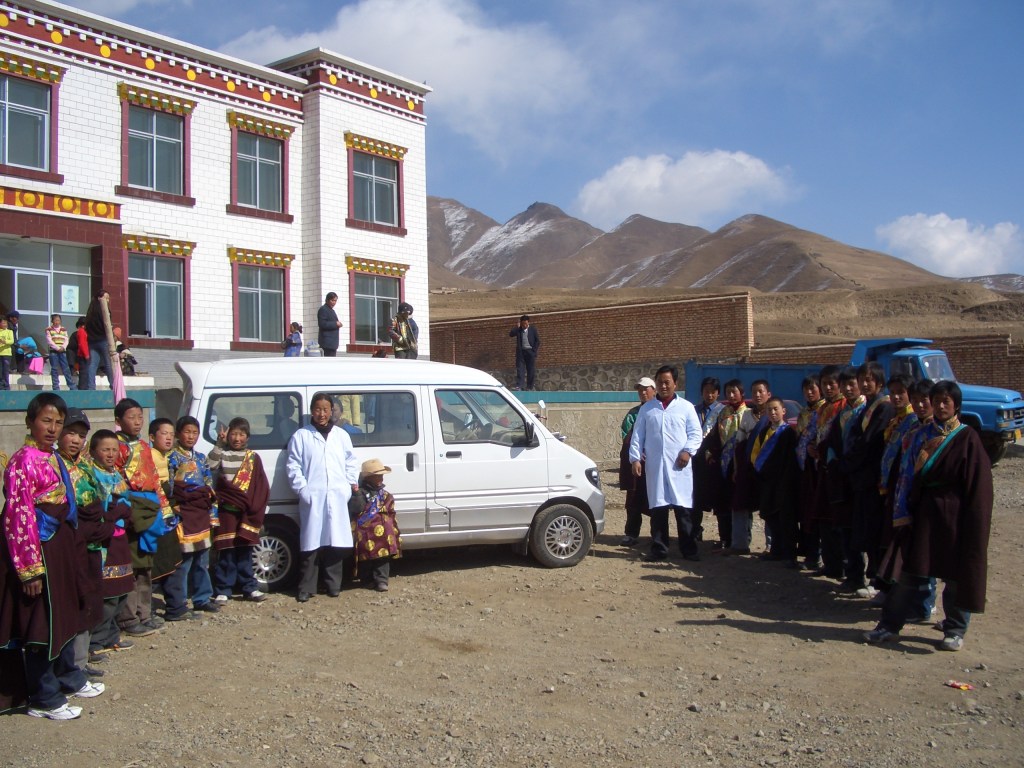
In 2005 the Tibetan Aid Foundation constructed, staffed and supplied a health care clinic designed to serve the ChaZhu Valley region.
The clinic currently makes available free or low-cost, basic health care as well as health education to a population of more than 3,000 people, many of whom walk for many hours or ride busses over extended distances to reach the clinic.
The Foundation sought to develop funds to create a Mobile Outreach Clinic, an especially equipped vehicle that will be staffed with trained medical personnel. This vehicle will use the existing ChaZhu Valley Clinic as its home base and will bring health care and health education to both villages located at large distances from the clinic facility and nomadic peoples of the region. As with the existing clinic model the health services and medicines will be provided at little or no cost to the patients.
Through a partnership with The Rotary Club of Ojai a fundraising event was created that raised the necessary funds to purchase, modify and equip the van.
Midwife Training Program
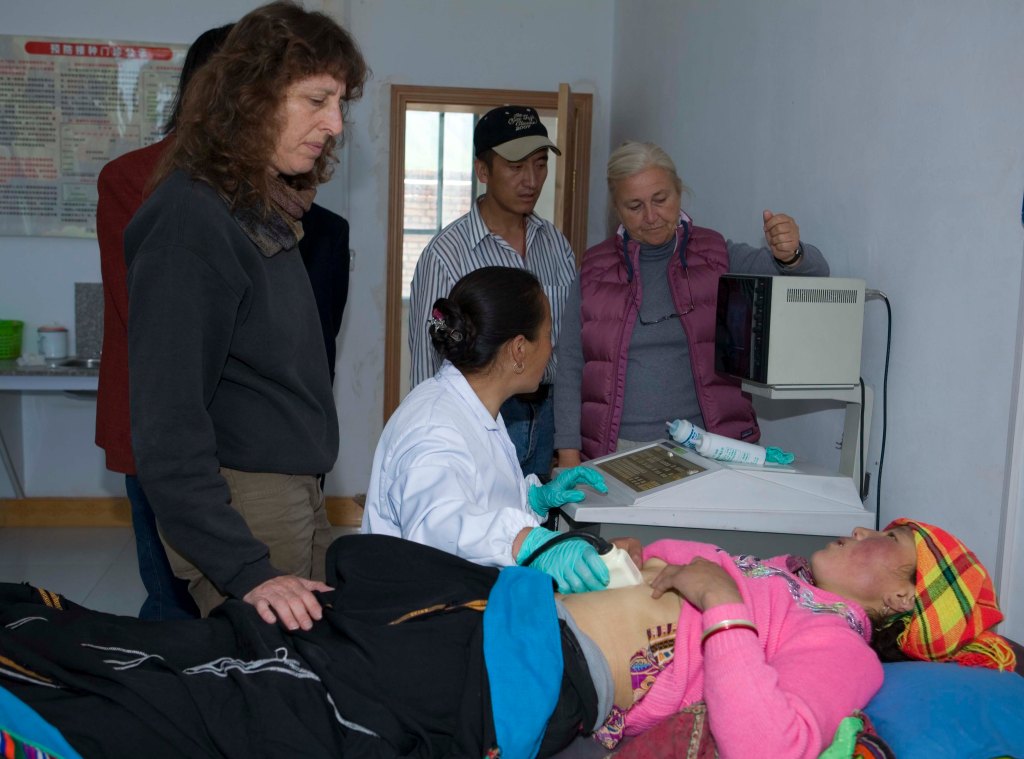
The high elevation of the Tibetan Plateau coupled with the lack of sanitary conditions has presented a chronic presentation of birth complications. The TAF has resolved to address this problem through (a) the building of community health clinics, (b) addressing community health/sanitation issues through targeted projects, and (c) instructional programs designed to raise awareness and skill levels within the indigenous communities.
One such program is the training of village women to assist in the gestation and birth process. In 2007, Wendy Steiger (member of Ventura Memorial Hospital, CA) and Corinne Collins (Nurse Practitioner and TAF Board Member) visited the ChaZhu Valley to conduct the first midwife training session. Eight women from eight different villages attended the twelve day program.
ChaZhu Valley Latrine Project
In January 2006 the TAF opened the ChaZhu Valley Clinic which now acts as the primary medical resource for the 3,000 residents of this rural area of Tibet. This facility has, also, the only indoor toilet/latrine
in the ChaZhu Valley.
Community hygiene is an important part of the TAF’s plan to improve the quality of life for valley residents. Residents of the ChaZhu Valley currently eliminate bodily waste using the open outdoors, the same areas in which children play and people and animals traverse. This waste is subsequently collected and used as fertilizer for crops.
Most Valley residents do not understand the origins of illnesses. The ChaZhu Clinic not only supplies health care services but educates valley residents in the fundamentals and importance of personal and community hygiene.
The construction and use of latrine toilets (two-hole composting design) is enabling all valley residents to learn and adopt good hygiene practices while, simultaneously, utilizing a benign way to compost human waste rendering it safe for use on crops. Towards that end the TAF has been building a “latrine” attached to every ‘clay house’ compound in each of the valley’s villages, as well as the “community” buildings (school, monastery, etc.). Through community education programs initiated and currently underway by the Clinic, village residents are being introduced to the concepts of microbial infection. The Clinic’s toilet serves as a model for dealing with bodily waste (and the bacteria carried therein) and the local Village elders and the area’s Rinpoche agreed to the installation of such a facility at their ‘clay house’ providing modeling behavior to the community for the use of a pit-toilet/latrine.
Tibetan Aid Foundation, Inc
We support medical and educational services to Tibetans in rural areas of the Tibetan Plateau and to other Tibetan communities.
Get in touch
Contact Us
(805) 798-2768
tibetanaidfoundation@yahoo.com
 Tibetan Aid Foundation, Inc