
Demographics and Communities
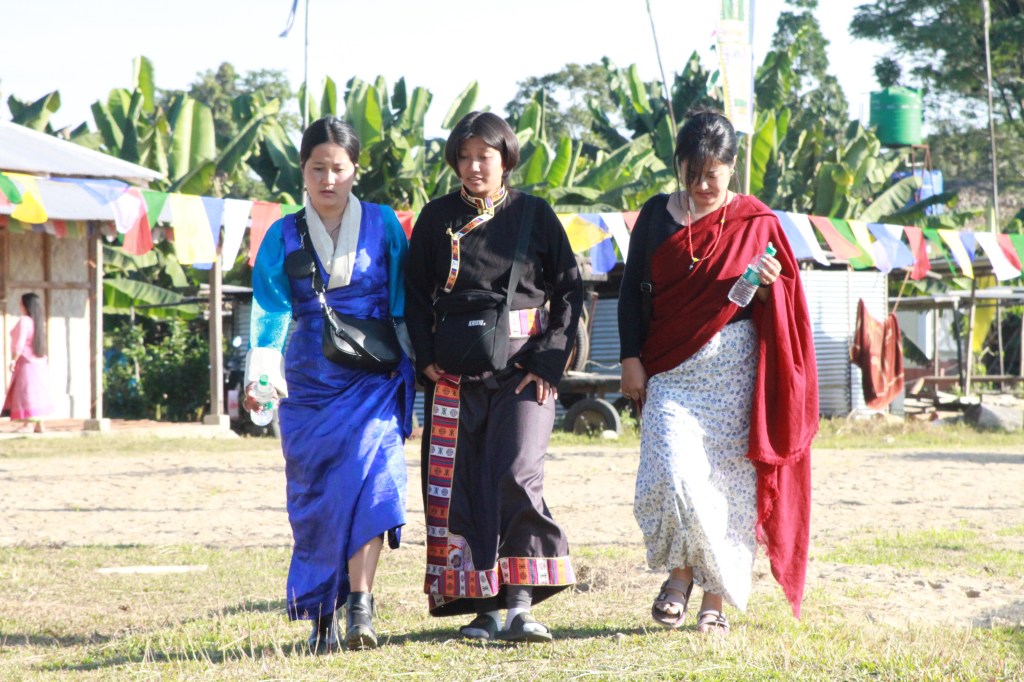
Arunachal Pradesh is home to 26 major indigenous tribes and numerous sub-tribes, each with distinct cultural norms and belief systems. The concept of “minority” can be complex, as many groups are minorities relative to the larger dominant tribes.
Tribal Minorities: Smaller tribes, such as the Lisu (Yobin), Puroik (Sulung), and Nah, are considered vulnerable sections of society due to their remote locations and smaller populations. Women within these groups often face specific challenges related to access to infrastructure, education, and economic opportunities.
Religious Minorities: Christians are a significant religious group, making up over 30% of the population, with Muslims comprising a smaller percentage.
Role and Challenges
Women across all communities in Arunachal Pradesh have historically played a vital role in managing household affairs, agriculture, and preserving cultural traditions, such as weaving and folk traditions. However, they often face challenges related to gender equality and patriarchal norms:
Customary Laws: Traditional laws often favor men in matters of property and land inheritance, though parents can bequeath acquired property to daughters. This remains a significant area of debate and reform efforts, with the Arunachal Pradesh Women Welfare Society (APWWS) advocating for change.
Political Participation: While constitutional amendments have mandated reservations for women in local governance, ensuring inclusive representation and overcoming male chauvinism in politics remains an ongoing struggle.
Socio-economic Barriers: Issues like limited access to higher education, gender discrimination, and vulnerability to social issues can impact women’s empowerment.
Empowerment Initiatives
Both government and non-governmental organizations are working to address these issues. Initiatives include skill development programs for remote tribal women, the “Dulari Kanya Scheme” to support girl children, and the formation of women’s welfare societies that advocate for legislative action against practices like polygamy.
Several women, such as Tenzin Yangki (the state’s first woman IPS officer) and others in business and arts, are breaking barriers and serving as inspirations for future generations.
 Tibetan Aid Foundation, Inc